

Things I Refuse to Optimize
Why some moments are meant for delight, not efficiency

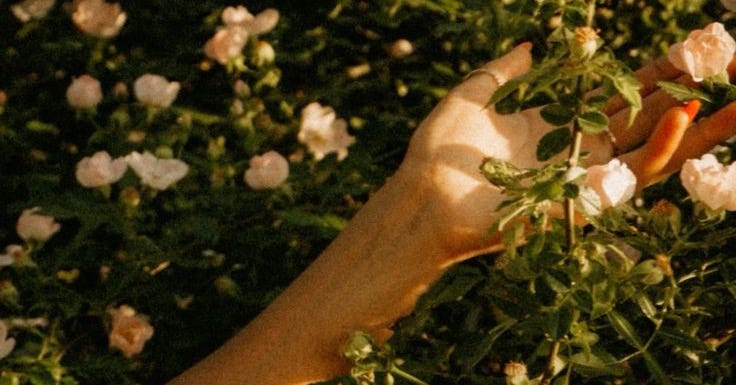
As I turn 40, I find myself on the other side of a life that naively fell for the messaging that I was just a few well-planned systems away from living the life I always wanted and it's taught me there are things we should not optimize. Truthfully, I often have to protect myself from this line of thinking — my Type B with a side of Type A personality eats it up. But the aftermath of years striving for better systems has left me with sleep deprivation, a damaged metabolism, endless life admin and household chores I still don't desire to stay on top of, and crippling shame.
Don’t get me wrong—I appreciate structure, I love lists, I work well when I have solid expectations and there were certainly benefits to all of the advice that I accepted about how to optimize the aspects of my life that didn’t quite feel like they were up to “standard".”
What I didn't realize at the time was that these areas in my life needed more wisdom, and that no amount of optimization advice would make me the type of person who would implement it. Turning my life into an optimized machine was a sure way for me to miss that these routines are meant to spark gratitude and delight and make me better able to connect and love those around me. They are things I get to do with my “one wild and precious life” (Mary Oliver).
I much prefer romanticizing my routines over optimizing them, because that suggests that we are fighting for noticing the beauty they can open our lives up to. As I was journaling about this recently, figuring out how to create balance between a structure I can thrive with, and the freedom to notice joy and delight, I realized that there are things we should simply not optimize, but before I list them, let’s define optimization:
Optimization (n.) an act, process, or methodology of making something (such as a design, system, or decision) as fully perfect, functional, or effective as possible.
These are some of the routines I believe we should not optimize:
Sleep
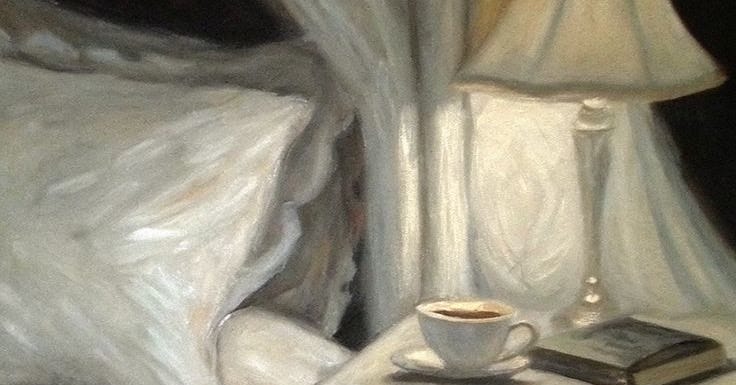
With so much fighting for our attention, we are having a harder time than ever protecting the natural rhythms that allow our body time to heal and grow. We should absolutely guard and protect the habits that help us to get a good night’s rest, but optimization suggests things like “biohacking” sleep via sleep scores which is another performance metric that causes more anxiety and even worse sleep. Create a lovely evening routine instead:
-Take a hot shower
-Pair a scented candle with your night time routine
-Read a light book
-Journal
-Get in your most comfortable pajamas
-Work on a crossword puzzle by yourself or with a loved one
The creative life
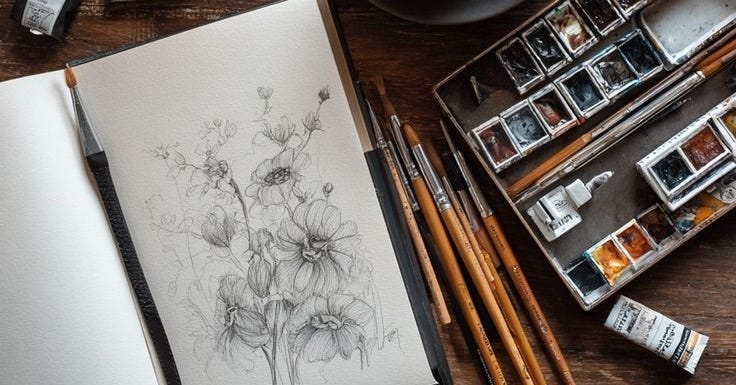
Optimizing for output or virality kills the wandering, wasteful process that makes original work possible. Leave room for wonder, and “white space” and you’ll discover what makes you unique, what moves you, what you were meant to create. You’ll notice things no-one else but you can notice, because no one else on this earth is exactly like you. The world needs more of what you notice.
-Go on a nature hike
-Schedule time for thinking (doing something with your hands can help if you aren’t used to it like a puzzle with no headphones on, or a hand sewing project).
-Browse your local library for their hobby books and find something you’d like to try (collage books, hand sewing, embroidery, etc.)
Vacations/ Trips

Over planning a trip for maximum efficiency eliminates the chance encounters that can surprise us in the loveliest of ways. Leave room for serendipity.
-Try blocking a full day on a trip for unplanned adventures that you decide as you go
-Let your senses decide your plans (if you smell good food, or hear live music nearby…explore)
-Talk to some locals in the area and ask them what they enjoy doing and recommend you try
Food & eating
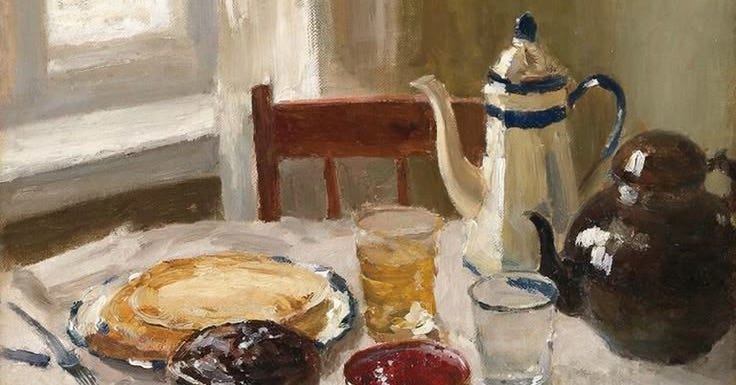
Optimizing meals purely for nutrition or macros can strip away pleasure, culture, and social bonding around food. This month, reading Taiwan Travelogue has really reminded me how much food and culture are inextricably linked. Though we absolutely need to nourish our bodies with healthy, nutritious food, we were never meant to treat food and eating as another metric to obsess over. Some ideas for unoptimized eating are:
-Foraging or Seasonal Eating (Eating what's actually available in a place and time instead of a curated, always available meal plan)
-Create a meal plan with a gathering in mind for friends and family as a way to enjoy a feast alongside connection.
-Let a meal run long (Stay put after the last bite instead of clearing plates the moment you're done.)
-Cook with someone (invite a friend or loved one into the kitchen even though it's slower and messier than doing it alone)
Grief, Transitions, or Emotional Processing
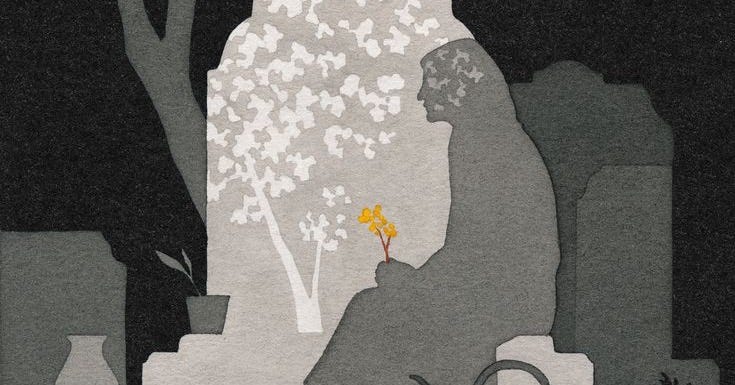
Grief has been treated as a productivity problem, or something with defined stages (Kubler-Ross's five stages, though she never intended them as a checklist). Once something has stages and a timeline, it tends to become optimized: skip ahead, do it faster, do it "right." People misuse the five stages as a literal sequence rather than what Kubler-Ross described as a loose, non-linear set of experiences that don't happen in order or on schedule.
Grief or emotional processing, when rushed through or suppressed doesn’t disappear. It tends to resurface later as anxiety, or physical symptoms, sometimes years after.
Here are some ways to let these seasons remain unoptimized:
-Journal without a prompt or goal
-Create transition rituals (a deliberate "first day" or “last day” ritual.) Transitions are especially memorable and transformative when we make the effort to mark them
-Allow for a waiting period before big decisions (after a transition, give yourself a deliberate stretch of time before optimizing the next step)
I’m not arguing against effort, or against wanting things to go well, but against the mindset of optimization colonizing every part of our lives. The invitation isn't to abandon planning or care, it’s to develop an eye for noticing the moments that are not meant to be managed, but delighted in.
Where are you sensing the nudge to delight or honor natural rhythms rather than optimizing and managing?
Happy delighting :)
Warmly,
Lilly
This is such a needed distinction. I love systems, but the line about routines being for gratitude and delight, not self-punishment, landed hard. 'Romanticizing over optimizing' is exactly the kind of life admin energy I want more of.
“my Type B with a side of Type A personality eats it up”, loved this: my intentional slow-summer is celebrating the Type b joys, as you clarified. Thanks!